
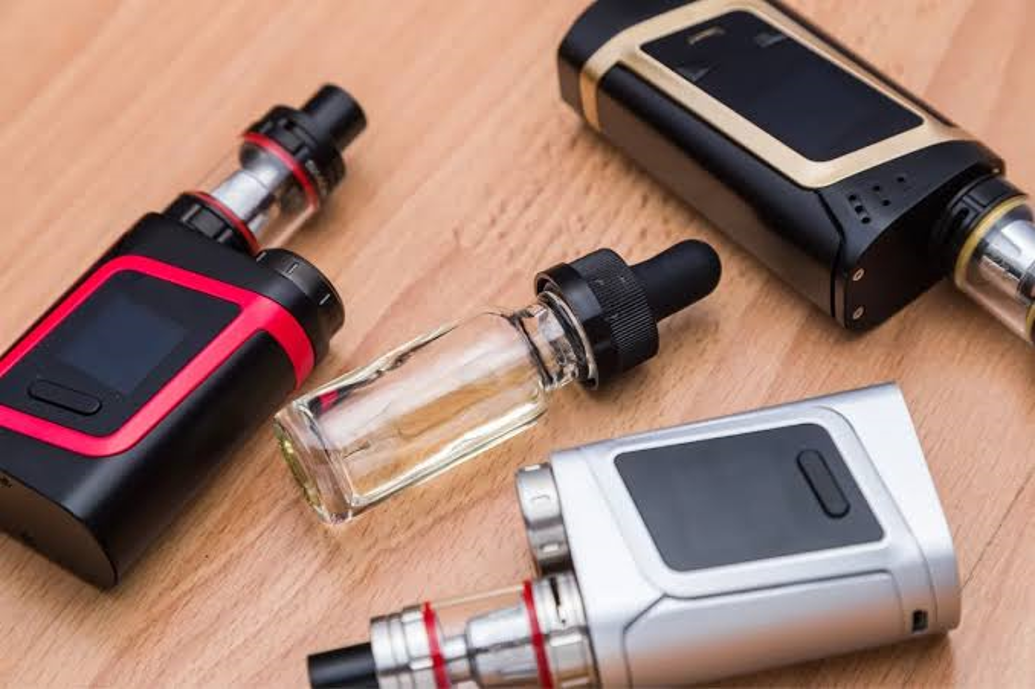
Vape maintenance does not need to be complicated, but a few regular checks can make a noticeable difference to the reliability of a device. Compact systems contain batteries, electrical contacts, pods and heating components, so each part has a role in keeping the product working as intended.
The first step is to understand the device. Adults using pod kits should read the manufacturer’s instructions before filling, charging or replacing components. Different systems have different pod designs and maintenance procedures.
The pod connection is one area worth checking. Condensation or small amounts of liquid can collect around the connection point during normal use. Users should follow the manufacturer’s cleaning instructions and avoid introducing liquid into the electronic section.
Refillable pods also need attention. The reservoir should be filled through the designated port and should not be overfilled. If a pod begins leaking, the user should check the manufacturer’s troubleshooting guidance rather than continuing to use a damaged component.
Coil condition affects performance. When a coil becomes worn, flavour may change and vapour production can decrease. Integrated-coil pods are normally replaced as a complete unit, while some systems allow the coil to be replaced separately.
Flavour can provide useful feedback about pod condition. Adults exploring Hayati Flavours may notice that a familiar flavour tastes different when a coil is nearing the end of its useful life. A change in flavour does not necessarily mean the e-liquid has changed; the hardware can be responsible.
Battery maintenance is equally important. Rechargeable devices should be charged using the recommended equipment and stored away from excessive heat, water and physical damage. A device with a damaged or swollen battery should not be used.
Users should also avoid modifying the device. Drilling airflow holes, altering battery connections or fitting unsuitable components can change how the device operates and can introduce avoidable risks.
Storage should be straightforward. Devices and nicotine-containing liquids should be kept away from children and pets. E-liquid bottles should remain closed and should be stored according to their labels.
It is also useful to understand that vaping maintenance does not apply to every nicotine product. Someone searching what is snus is researching an oral tobacco product. Snus does not have a battery, coil or pod, so its storage and handling requirements are different.
For people who already vape, a simple maintenance routine can include checking the pod connection, replacing consumables when required, charging correctly and keeping the device clean according to manufacturer guidance.
The UK regulatory framework provides another reason to keep product information current. MHRA guidance requires nicotine-containing e-cigarettes and refill containers to meet safety and information requirements. citeturn0search9 Businesses and consumers should use current official guidance when checking legal requirements.
New taxation also affects the market. HMRC says Vaping Products Duty applies from 1 October 2026 to vaping liquid, including liquid contained in pods and refills. citeturn0search4 This is primarily a business and supply-chain issue, but it may influence how products are packaged and priced.
Good maintenance is therefore a combination of simple habits and accurate information. Use the correct pod, fill it properly, charge the device as instructed, keep the hardware clean and replace damaged or worn components.
For adult users, these steps can help prevent common problems without requiring specialist technical knowledge. The important principle is to follow the manufacturer’s instructions rather than attempting improvised repairs or modifications.
A maintenance routine can also help users recognise when a component needs replacing. A change in draw resistance, flavour, vapour output or leakage may indicate that a pod or coil has reached the end of its useful life. These signs should be considered alongside the manufacturer’s recommended replacement guidance.
Condensation is different from a major leak. Small amounts of moisture can appear around a pod connection during normal operation, while persistent liquid leakage may indicate a problem with the pod or seal. Users should inspect the product and follow the manufacturer’s instructions.
The mouthpiece should also be kept clean. Because it is the part that comes into direct contact with the user’s mouth, regular cleaning according to the manufacturer’s instructions can help maintain general hygiene.
Refillable users should avoid mixing incompatible products without understanding the device’s requirements. Changing flavour can sometimes require more than simply adding a new liquid to an existing reservoir. Following the device instructions helps prevent unwanted flavour mixing and performance problems.
Battery maintenance should remain separate from liquid maintenance. The battery area should be kept dry, and users should never pour or intentionally introduce liquid into electronic components.
Storage between uses matters as well. Extreme heat can affect both electronics and liquids, while physical impact can damage the device. A secure, dry storage location away from children and pets is appropriate.
Retailers can support better maintenance by publishing simple care instructions with product listings. Information about charging, pod replacement, filling and cleaning can be more useful than additional promotional language.
For adults who already use nicotine, maintenance is ultimately about consistency and safety. The device should be used as designed, consumables should be replaced when necessary and damaged components should not be improvised or repaired without appropriate manufacturer guidance.
A small amount of routine care can therefore make the ownership experience much more predictable. Instead of waiting for a device to perform poorly, users can monitor the pod, battery and connections and deal with issues according to the manufacturer’s instructions.
